
Prediabetes Explained: Can You Prevent Type 2 Diabetes?
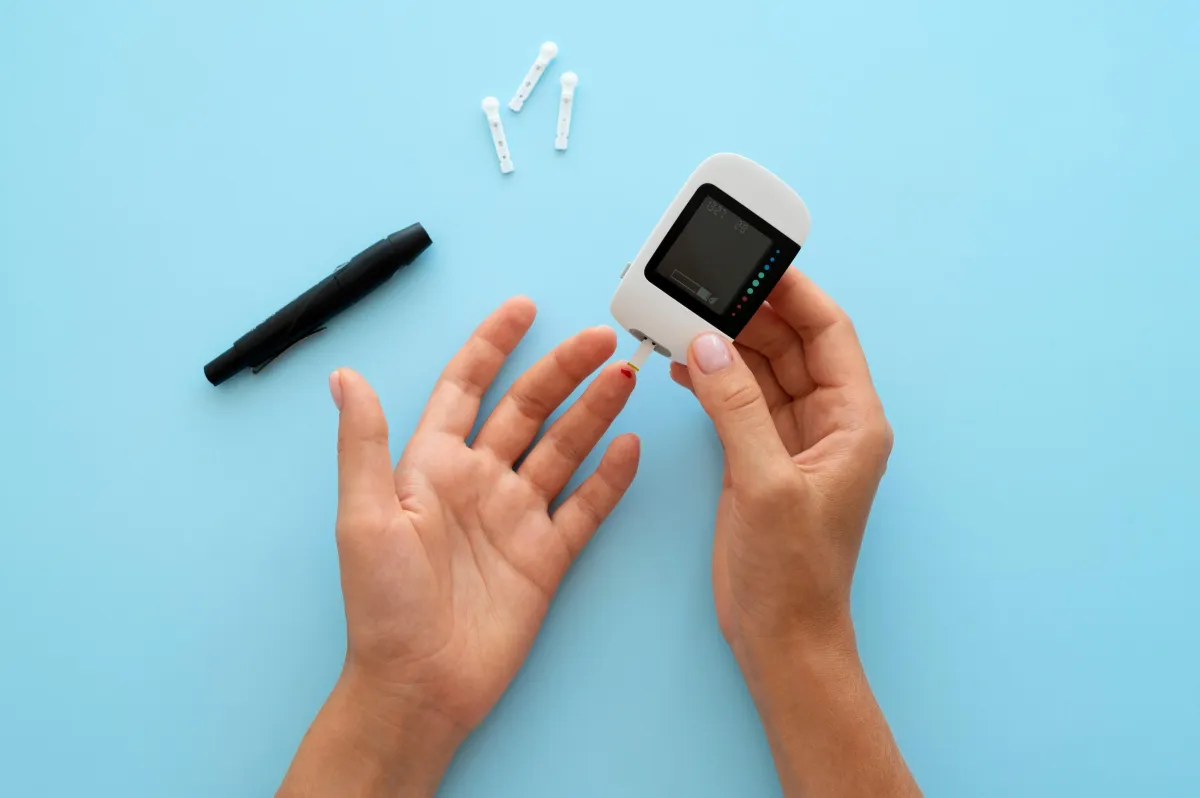
Prediabetes creates an odd situation in clinical practice. The blood sugar levels are no longer normal, yet the person often feels completely healthy. No pain. No visible symptoms. No urgent warning sign that forces action.
That absence of symptoms is exactly why it gets ignored.
I regularly find people surprised when a routine blood test shows prediabetes. They expected diabetes to announce itself dramatically. Excessive thirst, frequent urination, weight loss, fatigue. Those are the signs they know. Prediabetes rarely behaves that way.
A person may continue with work, family responsibilities, social functions and daily routines without noticing anything unusual. Meanwhile, changes are already taking place in metabolism. Insulin is working harder than it should. The body is becoming less responsive to it. Blood glucose levels begin drifting upwards year after year.
The concern is not the blood sugar value itself. The concern is the direction.
The Changing Metabolic Landscape in Kerala
Prediabetes is often described as a warning stage before Type 2 diabetes. That description is broadly correct, but it can also be misleading. Not everyone with prediabetes develops diabetes. Some remain stable for years. Some return to normal glucose levels. Others progress surprisingly quickly.
The difference usually comes down to a combination of genetics, body weight, physical activity, sleep quality, dietary habits and age.
In Kerala, the situation has become increasingly complicated. The traditional food pattern has changed substantially over the past two decades. Portions have increased. Physical labour has decreased. Office work has increased. Screen time has increased. Sleep duration has shortened. Evening meals have become heavier.
Rice often receives all the blame. That is an oversimplification. I have seen people consume moderate amounts of rice and maintain excellent glucose control. I have also seen people eliminate rice completely while continuing to gain weight and move steadily towards diabetes because calorie intake remained excessive from other sources.
The discussion needs to be broader than a single food item.
Genetics and the Abdominal Obesity Factor
Abdominal obesity deserves far more attention. When excess fat accumulates around the waist, insulin resistance tends to increase. A person may not appear particularly overweight by casual observation. Yet waist circumference may reveal a different story. This is common among South Asians.
The so-called "normal-looking diabetic" is not rare. Someone weighing 68 kilograms can still have significant metabolic risk.
Family history matters. A father with diabetes. A mother with diabetes. Several close relatives requiring medication before the age of sixty. Those details change the conversation.
Lifestyle improvements remain useful, but expectations must be realistic. A strong genetic predisposition may mean blood sugar rises despite sincere efforts. Patients sometimes blame themselves unfairly when this happens.
The goal is not perfection. The goal is delay, control and risk reduction.
Why Waiting for Symptoms is a Mistake
One mistake I see repeatedly is waiting for symptoms before taking action. Prediabetes rarely rewards waiting.
A fasting glucose of 108 mg/dL today can become 118 next year and 128 after that. The progression may be gradual enough to escape attention until diabetes is firmly established.
People often ask whether medication is necessary during prediabetes. The answer is not identical for everyone. Some individuals respond remarkably well to lifestyle intervention alone. Weight loss, regular exercise and improved eating habits may bring glucose levels back into the normal range. Others struggle despite doing almost everything correctly.
Age plays a role. Genetics plays a role. Duration of insulin resistance plays a role.
The internet sometimes creates unrealistic expectations by presenting lifestyle modification as a guaranteed cure. Real clinical practice is rarely that tidy.
Weight Reduction Treatment in Pathanamthitta: A Long-Term Approach
Weight reduction receives enormous attention, and rightly so. Even a modest reduction of five to ten percent of body weight can improve insulin sensitivity significantly.
The problem is sustainability. People often lose weight aggressively for six weeks and regain it over six months. The body tends to defend its previous weight. Hunger increases. Motivation fades. Old habits return.
This is where structured programmes can be useful. Patients looking for weight reduction treatment in Pathanamthitta frequently focus on rapid results. I usually find the long-term maintenance phase much more challenging than the initial reduction phase. The first five kilograms are often easier than the next two.
Maximising Muscle Tissue and the Role of Sleep
Exercise recommendations are frequently misunderstood. Walking helps. Walking alone is not always enough.
A forty-five-year-old office worker with significant abdominal obesity may benefit from resistance training, muscle strengthening and structured physical activity rather than relying exclusively on evening walks. Muscle tissue improves glucose utilisation. That fact rarely receives enough attention. A person who develops more lean muscle mass often experiences metabolic improvements even before major weight loss occurs.
Sleep deserves a place in every discussion about prediabetes. Poor sleep increases insulin resistance. Shift workers know this problem well. So do people who stay awake past midnight scrolling through phones and laptops. They may maintain a reasonable diet and still see disappointing glucose results.
The body does not separate sleep from metabolism. Neither should clinicians.
Managing Stress and the Illusion of Supplements
Stress creates another layer of complexity. Not because stress directly causes diabetes in a simplistic way. Because chronic stress alters behaviour.
People eat differently. Sleep differently. Exercise less. Alcohol intake may increase. Meal timing becomes irregular. The cumulative effect matters.
I occasionally meet patients who are obsessed with fasting glucose numbers while ignoring everything else. They monitor sugar levels repeatedly yet continue gaining abdominal weight, sleeping poorly and remaining physically inactive. Monitoring is not treatment. Data alone does not alter outcomes.
Prediabetes can sometimes improve dramatically after addressing factors that seem unrelated to glucose itself.
There is also excessive faith in supplements. Cinnamon. Fenugreek. Various herbal combinations. Exotic powders sold online. Some may have limited supportive evidence. None should distract from the larger issues driving insulin resistance. Patients sometimes spend thousands of rupees on supplements while avoiding basic lifestyle changes that cost nothing. That approach rarely succeeds.
Early Detection with a Preventive Health Checkup in Konni
The role of screening cannot be overstated, particularly in Kerala where diabetes prevalence remains high. A person over forty with a family history of diabetes should not wait for symptoms.
A Preventive Health Checkup in Konni often identifies elevated blood sugar levels before complications develop. That early detection creates opportunities that disappear once diabetes becomes established.
Timing matters. Much more than people realise.
Complications begin long before vision problems or kidney disease appear. Blood vessels experience metabolic stress years earlier. This is one reason clinicians become concerned about prediabetes even when patients feel perfectly well.
The phrase "borderline sugar" sometimes creates false reassurance. Borderline conditions have a habit of becoming established conditions. Not always. Often enough.
Dietary Individualisation Over Extreme Restrictions
Dietary advice requires individualisation. Blanket recommendations create confusion.
A physically active farmer and a sedentary accountant should not necessarily receive identical dietary instructions. Calorie requirements differ. Activity levels differ. Metabolic risk differs.
The best dietary plan is often the one a person can realistically follow for years rather than weeks. Extreme restrictions frequently fail. I have watched people abandon entire food groups only to return later with binge-eating patterns and greater weight gain.
Moderation sounds boring. Clinically, it tends to outperform extremes.
Addressing Alcohol, Smoking, and Portions
Alcohol deserves mention. Some people assume moderate alcohol consumption has little metabolic impact. Reality varies considerably. Regular alcohol intake can contribute to excess calories, weight gain and worsening glucose control in susceptible individuals. The relationship is rarely straightforward. Still worth examining honestly.
Smoking adds risk as well. Not just for cardiovascular disease. Insulin resistance appears more frequently among smokers than many people realise.
The combination of smoking, abdominal obesity and prediabetes creates a particularly concerning risk profile. Prediabetes management becomes harder when multiple risk factors accumulate.
The discussion around carbohydrates often becomes emotional. Rice is blamed. Bananas are blamed. Fruits are blamed. Sometimes entire cuisines are blamed.
Quantity often matters more than labels. Portion control rarely generates dramatic headlines, yet it remains one of the most effective strategies available. The difference between one serving and three servings consumed daily over several years becomes enormous.
The True Goal of Prevention and Risk Reduction
Patients searching for Prediabetes Treatment in Konni frequently ask whether diabetes can be completely prevented. The honest answer is that prevention is possible for some people, delay is possible for many, and certainty is available for nobody.
Medicine rarely offers guarantees. Risk reduction is usually the more accurate term. Someone with strong genetic susceptibility may still develop diabetes despite excellent habits. The disease may appear at sixty instead of forty-five. That delay alone has value. Fifteen additional years without diabetes is not a trivial outcome.
Screening intervals should also be discussed. A person with confirmed prediabetes should not disappear for three years and hope for the best. Regular follow-up allows trends to be identified early. Individual schedules vary, but monitoring should be proactive rather than reactive.
Connecting Fatty Liver Disease and Metabolic Health
This becomes especially relevant when other conditions coexist. Fatty liver disease. Hypertension. High cholesterol. Polycystic ovarian syndrome. Each can influence metabolic health and future diabetes risk.
The connection between fatty liver and prediabetes is frequently underestimated. When excess fat accumulates in the liver, insulin resistance often worsens. Blood sugar control becomes more difficult. Weight reduction becomes more urgent. Patients are often surprised to learn that liver health and glucose control are closely connected.
Shifting the Trajectory: Proactive Diabetes Management in Pathanamthitta
The same conversation occurs repeatedly in diabetes clinics.
"I feel fine."
That statement is usually true. Feeling fine does not always reflect metabolic reality. The body can compensate for years before symptoms emerge. By the time symptoms become obvious, opportunities for early intervention may already have narrowed.
The wider goal of Diabetes Management in Pathanamthitta should not begin after diabetes develops. It should begin before that point whenever possible. Prediabetes creates that opportunity. Not a guarantee. An opportunity. Patients who engage with the process early generally have more options available than those who wait until blood sugar levels cross diagnostic thresholds.
Prediabetes treatment in konni works best when expectations remain realistic. No miracle foods. No miracle supplements. No miracle exercises. Consistent decisions repeated over months tend to outperform dramatic interventions sustained for days. That reality is less exciting than social media promises. It is also closer to what actually works.
Prediabetes Treatment in Konni should ultimately focus less on chasing perfect laboratory numbers and more on changing the trajectory. When the trajectory improves, the numbers usually follow. When the trajectory remains unchanged, laboratory reports eventually reveal the truth regardless of how healthy a person feels in the meantime.
What Is Prediabetes and Why Should You Take It Seriously?
It is a condition in which the level of blood sugar increases but not enough to qualify it as Type 2 diabetes. It means that our body is starting to become insulin resistant. It's not about the symptoms of today but a much higher risk of evolution to diabetes, heart disease, fatty liver disease and metabolic problems in the future. This is the prediabetes stage and is when early actions can often slow or stop complications later on.
What Are the Early Warning Signs of Prediabetes?
Usually, Prediabetes is symptomless. Others: tiredness, slight weight gain around the belly area/abdominal region, increased appetite or black patches on neck or armpits. Often it is detected through blood tests done for other reasons.
Who Is Most at Risk of Developing Prediabetes?
People overweight, not physically active, have a family history of diabetes, suffered from high blood pressure, or fatty liver disease disorder increased the risk of diabetes; those whose cholesterol levels are too high, women with gestational diabetes are at high risk. Even in Kerala, South Asians were more prone to insulin resistance and diabetes at lower body weights than many other populations.
How Can Lifestyle Changes Help Reverse Prediabetes?
By adopting a healthy lifestyle, we bring improve our insulin sensitivity and lower the blood sugar levels. Simple measures, including physical exercise, modest weight loss, sleep enhancement, stress management and dietary modification are usually effective. In fact, just a 5-10% decrease in body weight can greatly enhance metabolic health for most people.
What Tests Are Used to Diagnose Prediabetes?
Doctors commonly use three tests:
Fasting Blood Sugar (FBS)
HbA1c (Glycated Haemoglobin)
Oral Glucose Tolerance Test (OGTT)
Prediabetes is usually diagnosed when results fall between normal and diabetic ranges according to established medical guidelines.
FAQs
1. Can Prediabetes Be Reversed Naturally?
In many cases, yes. Weight reduction, regular exercise, balanced nutrition, adequate sleep, and stress management can help blood sugar levels return to the normal range. Results vary between individuals, especially when strong genetic factors are present.
2. Does Prediabetes Always Lead to Type 2 Diabetes?
No. Some people remain in the prediabetes stage for years, while others return to normal glucose levels. Progression to diabetes becomes more likely when lifestyle factors remain unchanged or additional risk factors are present.
3. Can Young Adults Develop Prediabetes?
Yes. Prediabetes is increasingly being diagnosed in people in their twenties and thirties. Sedentary lifestyles, obesity, poor dietary habits, lack of sleep, and family history are common contributors.
4. Is Weight Loss Important for Managing Prediabetes?
Yes. Excess body fat, especially around the abdomen, increases insulin resistance. Even modest weight loss can improve blood sugar control and reduce the risk of developing Type 2 diabetes.
5. What Foods Should Be Avoided If You Have Prediabetes?
There is rarely a need to completely eliminate specific foods, but it is wise to limit:
* Sugary drinks and packaged fruit juices
* Sweets, cakes, and pastries
* Highly processed snacks
* Refined flour products
* Excessive portions of rice or other starches
* Frequent fast food meals
The overall pattern of eating usually matters more than avoiding a single food item.
Location:
AIM Medical Centre, Kalanjoor, Pathanamthitta, Kerala 689694
Call:
+91 9946016732
+91 9496861240
Email:
Assistance Hours:
24 Hours