
Why Health Checkups Matter Even When You Feel Healthy
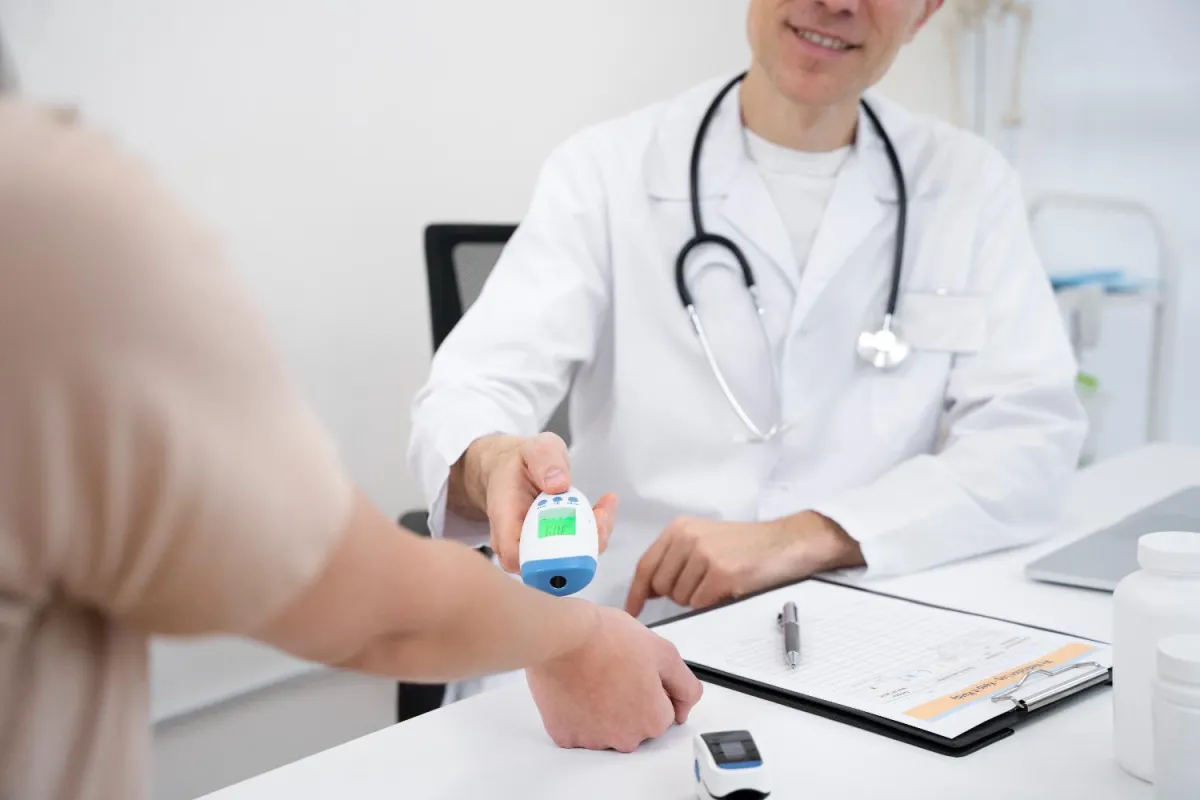
Most people do not visit a doctor when life feels normal.
That is usually the pattern.
Work continues. Sleep feels “good enough.” Maybe there is occasional acidity after late dinners or a headache that comes and goes during humid afternoons in Kerala, but nothing serious enough to interrupt the day. So health quietly becomes something people assume they still have.
Until a blood test says otherwise.
A surprising number of illnesses begin without drama. Diabetes often builds slowly. Fatty liver changes do not announce themselves loudly. Blood pressure can stay high for years without obvious symptoms. By the time many people finally notice something feels wrong, the body has already been adjusting to the problem for quite a while.
That is one reason a preventive health checkup in Pathanamthitta matters more than people sometimes think.
Not because everyone is sick.
Because the body rarely sends early warnings in a dramatic way.
Feeling Healthy Is Not Always the Same as Being Healthy
This sounds obvious when written down. In practice, people still trust symptoms more than screenings.
If there is no pain, they assume things are fine.
But many common lifestyle conditions work differently. High cholesterol may not create visible signs. Vitamin deficiencies can look like ordinary tiredness. Early-stage kidney strain may feel like nothing at all. Even heart disease, in some cases, remains silent until something more serious happens.
Doctors say this often. Patients nod politely. Then life gets busy again.
Part of the problem is psychological. Human beings are not very good at reacting to invisible risks. We respond faster to emergencies than to slow-moving damage. A severe fever gets attention immediately. Slightly rising blood sugar over five years does not.
That imbalance probably explains why preventive healthcare still gets postponed in many households. Especially among working adults.
Kerala’s Health Reality Has Changed Quietly
A generation ago, health concerns in many Kerala families were different. Infections, injuries, and seasonal illnesses — these dominated conversations more openly.
Now the pattern has shifted.
Sedentary jobs. Long commutes. Irregular sleep. Heavy dependence on processed food. Constant phone usage late into the night. Stress that does not look dramatic from the outside but keeps building underneath daily routines. The result is visible across towns and smaller districts too, not only in big cities.
You see younger people managing cholesterol medication. Men in their thirties are dealing with hypertension. Women ignore exhaustion for years because they are balancing work, caregiving, and household responsibilities simultaneously.
A Preventive Health Checkup in Pathanamthitta is not simply about detecting disease. In many cases, it helps identify direction. Whether the body is moving toward stability or toward trouble. That distinction matters earlier than people expect.
The Strange Habit of Waiting for Symptoms
There is another cultural habit around healthcare that deserves attention.
People often wait for the body to become disruptive before seeking help.
Mild chest discomfort becomes “gas.” Persistent fatigue becomes “lack of sleep.” Frequent urination gets blamed on the weather or water intake. Even recurring gum pain is delayed until eating becomes difficult, though proper oral care and timely dental treatments in Pathanamthitta can prevent larger complications later.
This delay does not always happen because people are careless.
Sometimes it is financial hesitation. Sometimes fear. Sometimes, simple avoidance. Health checkups force a pause. And that pause can reveal things early enough to reverse them.
Not always. But often enough to matter.
A checkup is sometimes more about patterns than disease.
People imagine health screenings as a search for major illnesses. That is only part of it.
Good preventive care also looks for trends.
Is weight increasing steadily each year? Are liver enzymes beginning to shift? Is blood sugar slowly moving upward? Is stress affecting sleep and blood pressure together? These patterns are easier to manage when caught early.
Once complications arrive, treatment becomes longer, more expensive, and emotionally draining. A person who ignores borderline diabetes for years may eventually require medication, dietary restrictions, eye monitoring, kidney evaluations, and continuous follow-ups. Early intervention changes the story.
Sometimes dramatically.
That is why many physicians recommend a preventive health checkup in Pathanamthitta even for people who currently “feel normal.”
Because normal can be misleading.
Working professionals usually ignore the first signs.
Office culture has normalized exhaustion to a strange degree.
People brag about sleeping four hours. Meals happen inside cars. Water intake gets replaced by tea and coffee. Back pain becomes part of adulthood.
Then, around the late thirties or early forties, routine tests begin showing abnormalities. Not catastrophic ones at first. Small deviations. But small deviations repeated over the years rarely stay small.
Preventive healthcare is especially useful for professionals because lifestyle damage accumulates quietly. Regular screening creates accountability. It provides measurable information instead of assumptions.
And in places where healthcare access has improved, including clinics offering 24-hour casualty services in Pathanamthitta, people are increasingly realizing that emergency treatment alone is not enough. Emergency care reacts after problems appear. Preventive care tries to reduce the chance of reaching that point.
There is a difference.
Families Tend to Repeat Health Behaviors
One person’s habits often become the household pattern.
Children notice what adults ignore. If parents postpone checkups indefinitely, younger family members may grow up treating healthcare as something only needed during emergencies. That mindset becomes difficult to change later.
Family-based preventive care creates a different culture around health. Regular screenings, vaccinations, dental visits, and diabetes monitoring become routine instead of crisis-driven decisions.
This is particularly important in Kerala, where diabetes and metabolic disorders are increasingly common. Many families already have some history of elevated blood sugar, hypertension, or cardiac disease. Facilities such as a diabetic clinic in Kalanjoor exist because these conditions are no longer rare exceptions.
They are becoming ordinary.
Which is precisely why prevention matters more now.
The Anxiety Around Testing Is Real
Some people avoid health checkups because they are afraid of what might appear in the report. That fear is understandable,
But avoidance has its own cost.
A medical issue ignored for years does not usually disappear because it has remained undiagnosed. In many situations, the opposite happens. Problems become more complicated, treatments become more restrictive, and recovery becomes slower.
Interestingly, many patients say the anxiety before testing was worse than the actual results. Sometimes the report is completely manageable. Sometimes lifestyle adjustments are enough. Sometimes reassurance itself improves mental well-being.
Not every screening ends with alarming news.
People forget that part.
Health Is Often Lost Gradually
Very few people wake up suddenly unhealthy.
The process usually unfolds slowly, almost invisibly.
Energy reduces little by little. Weight changes become normalized. Sleep quality worsens gradually. Digestion shifts. Recovery after illness slows. Mood becomes flatter. Concentration weakens. People adapt to declining health so slowly that they stop recognizing it.
A proper Preventive Health Checkup in Pathanamthitta can interrupt that slow adjustment. It provides objective information before the body reaches a point where symptoms become impossible to ignore.
And perhaps that is the real value of preventive healthcare, not fear, not medical marketing.
Just awareness, before damage becomes harder to reverse.
Why Preventive Health Checkups Matter More Than People Think
Most illnesses do not begin with a dramatic warning; that is the uncomfortable truth many people discover late. Diabetes develops quietly. Blood pressure rises slowly. Cholesterol builds over years. Fatty liver changes often happen without pain. By the time symptoms become obvious, the condition may already need long-term management instead of simple correction.
This is why preventive health checkups matter.
Not because everyone is sick. But because the human body is surprisingly capable of hiding problems while daily life continues almost normally.
A routine screening gives people something they rarely have otherwise — a clearer picture of what is happening internally before the body reaches a point of visible distress.
In many Kerala households, health still tends to become a priority only after discomfort appears. Chest pain gets attention. Severe fatigue gets attention. A medical emergency certainly does. But preventive healthcare works differently. Its value often lies in identifying risk before the situation becomes urgent.
That shift in timing changes outcomes more than people realize.
What Tests Are Usually Included in a Preventive Health Checkup?
The exact tests vary depending on age, medical history, lifestyle, and existing health conditions. Still, most preventive health packages include a combination of common screenings that evaluate overall health status.
A standard checkup may include:
Blood sugar testing
Complete blood count (CBC)
Cholesterol and lipid profile
Liver function tests
Kidney function tests
Blood pressure monitoring
Thyroid screening
Urine analysis
ECG or cardiac assessment
Body weight and BMI evaluation
Some hospitals and clinics may also recommend vitamin deficiency screening, chest imaging, or advanced cardiac testing based on individual risk factors.
The purpose is not to search obsessively for disease. Good preventive care is more about identifying patterns early — rising glucose levels, borderline cholesterol, mild hypertension, or metabolic strain that could worsen quietly over time.
That early window matters.
Can Health Checkups Detect Diabetes Early?
In many cases, yes.
And that is one of the strongest reasons preventive screenings are important in Kerala today.
Early diabetes often produces few noticeable symptoms. People may feel slightly tired, thirsty, or mentally foggy, but these signs are easy to dismiss during busy routines. Some individuals experience no obvious symptoms at all.
A blood sugar test or HbA1c screening can detect abnormal glucose levels long before complications appear.
Early detection can make a major difference.
When diabetes is identified early, lifestyle adjustments sometimes help delay progression significantly. Dietary changes, weight management, physical activity, and regular monitoring often work better before long-term damage develops.
Once uncontrolled diabetes begins affecting nerves, kidneys, vision, or blood vessels, treatment becomes more difficult and emotionally exhausting. This is why doctors continue encouraging regular screenings even for people who currently “feel healthy.”
Because feeling healthy and being metabolically healthy are not always the same thing.
Why Lifestyle Diseases Are Increasing
The rise of lifestyle diseases is not caused by one single habit. It is usually a combination of small daily patterns repeated for years. Less movement, more sitting, irregular meals, high stress, poor sleep, constant screen exposure late at night, and highly processed food replacing traditional eating habits. None of these seem dangerous individually. Together, over time, they begin affecting metabolism, hormone balance, blood pressure, digestion, and cardiovascular health. Kerala has seen this shift clearly over the last two decades.
Many adults now spend long hours sitting at desks or driving. Physical labor has reduced in many professions. Younger people are developing hypertension and diabetes earlier than previous generations. Even stress itself has changed shape — less physical exhaustion, more mental overload.
What makes lifestyle diseases difficult is their gradual nature.
The body adapts quietly at first.
People normalize fatigue. They ignore weight gain. Sleep problems become routine. Acidity becomes common enough to joke about. Only later do blood reports reveal how long the imbalance had been developing underneath ordinary life.
Preventive healthcare interrupts those delays.
At least, it gives people a chance to notice the direction their health is moving before the consequences become harder to reverse.
At What Age Should Adults Start Regular Health Checkups?
There is no perfect universal age, but most doctors recommend adults begin routine preventive screenings by their mid to late twenties, especially if there is a family history of diabetes, hypertension, thyroid disorders, or heart disease.
The frequency and type of screening usually increase with age.
For younger adults, checkups may focus mainly on blood sugar, cholesterol, blood pressure, and general metabolic health. After the age of 40, cardiac assessments, cancer screenings, and more detailed evaluations often become more important.
That said, age alone is not the only factor anymore.
Lifestyle matters just as much.
A 30-year-old with chronic stress, poor sleep, obesity, smoking habits, or sedentary work patterns may require closer monitoring than a physically active older adult with stable health markers.
Modern health risks do not always follow old assumptions about age.
That is part of what has changed.
And perhaps the larger point is this: preventive health checkups are not really about searching for illness. They are about reducing uncertainty. They help people make decisions based on actual health information rather than guesswork or temporary feelings.
Which, in many cases, is far more useful than waiting for the body to finally protest loudly enough to be noticed.
FAQs
1. How often should I get a full body checkup?
For most healthy adults, a yearly checkup is generally recommended. People with diabetes, hypertension, a family history of heart disease, or existing health conditions may require more frequent monitoring depending on medical advice.
2. How can preventive healthcare improve quality of life?
Preventive healthcare helps identify health risks early, often before symptoms appear. Early detection can reduce complications, lower treatment costs, improve energy levels, and help people maintain daily routines more comfortably as they age.
3. Are preventive health checkups useful for working professionals?
Yes. Working professionals often experience irregular sleep, stress, long sitting hours, and poor eating habits. Regular screening helps track blood pressure, sugar levels, cholesterol, liver health, and other indicators affected by modern work routines.
4. Are preventive checkups important for families?
They can be very important. Family-based preventive care encourages healthier habits, early disease detection, vaccination awareness, and better long-term health monitoring across different age groups.
5. Is annual health screening necessary?
In many cases, yes. Annual screenings help detect gradual health changes that may not produce immediate symptoms. Conditions like diabetes, high cholesterol, thyroid imbalance, and hypertension are often identified during routine tests rather than emergency visits.
Location:
AIM Medical Centre, Kalanjoor, Pathanamthitta, Kerala 689694
Call:
+91 9946016732
+91 9496861240
Email:
Assistance Hours:
24 Hours